
 I have known Sean Kosofsky and his excellent work in the nonprofit and DEI sectors for over a decade, and last month I added him to my Business Partners / Affiliation list. Now here is a further discussion with Sean about his work:
STAN: Sean, could you tell me a little bit about your consulting and the unique niche you are serving?
SEAN: Sure. I have spent 30 years in nonprofits and have learned a lot about what works and what doesn’t in fundraising, building boards and training executive directors. We tend to throw our nonprofit leaders in the deep end without the right preparation, training or support. I coach nonprofit executive directors and show nonprofit organizations how to develop the policies, programs, and practices that will help them reach their mission.
STAN: How did you get into this business?
SEAN: People just kept asking me for help and I was offering that help for free. Finally, I had about a year break in-between jobs in 2018-2019 and decided to put out my shingle. I formed an LLC and named it Mind the Gap Consulting. Eventually, my moniker became “The Nonprofit Fixer” because I am a generalist and those are needed. I love looking under the hood of an organization and figuring out to help use ever lever in the organization to optimize and improve. A big part of what I do is sell digital tools like courses and templates that I think nonprofits need. Now the business is centered on courses, consulting, coaching and training.
STAN: What do you feel are the most common struggles or issues of nonprofit management?
SEAN: The single biggest problem in nonprofits is the board. They are volunteers who are unpaid and usually not experts in the subject matter or in nonprofit leadership. This means they will need training, orientation, and 101-level training in how to lead a charitable (or political) endeavor. Everything flows from the board. The second issue if fundraising. Nonprofits don’t think about stock price, profit or shareholder value. They think about impact. Paying for that impact is hard and most nonprofits setup shop before they figured out the revenue. It’s like the opposite order that a business might use. If we tackle boards and fundraising we are 2/3 the way there. The final challenge is leadership. I created a great free infographic showing the 10 Top Responsibilities of an executive director. I can’t tell you how many people have told me that this single graphic allowed everything to make sense in terms of the division of labor.
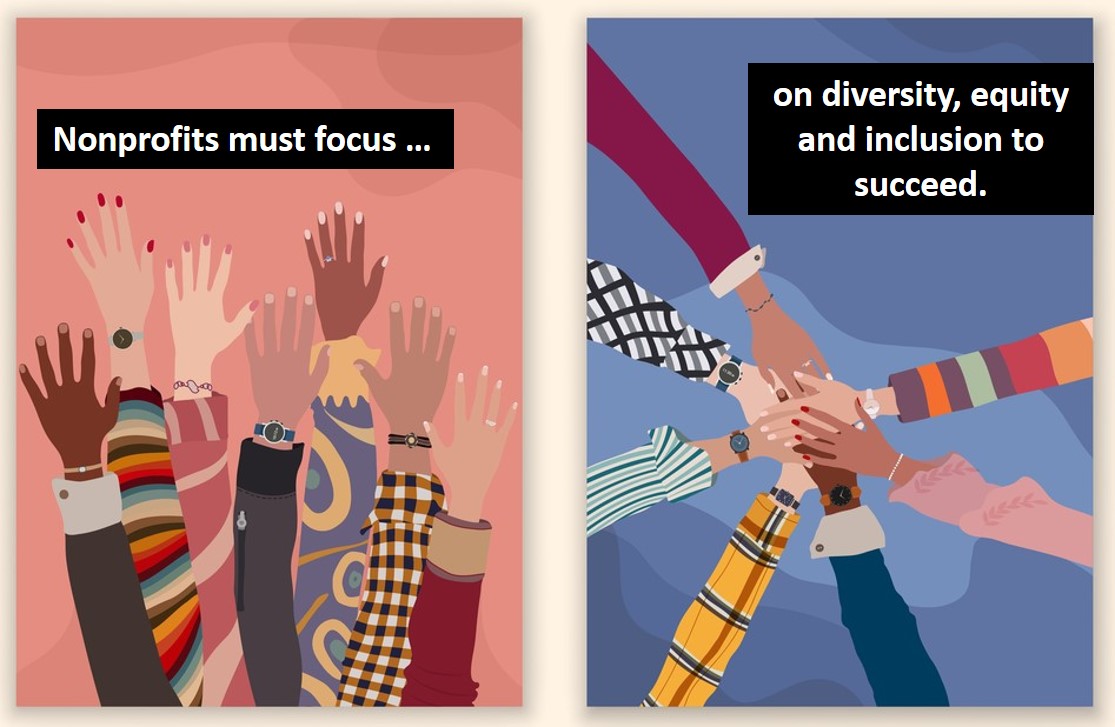 STAN: Since I myself am a DEI consultant and trainer, what diversity areas or aspects are the most important for nonprofits to address? Do you include this in your nonprofit consulting?
SEAN: This is hard because all the areas of diversity need at least some attention. This includes race, disability, age, sex, LGBTQ issues and others. I would probably say that race and sex have equity challenges that are the most pervasive and are creating the most suffering. Our organizations must dismantle racism and sexism so people are treated and paid equitably and that power structures can be changed. I was the top LGBTQ diversity trainer in Michigan from 1996-2008. So of course I think LGBTQ issues matter, but I think it depends. Houses of worship might need more work in some areas and rural organizations might need something totally different. If each organization starts with respect and a commitment to change, they should then put their money and their effort where their mouth is.
STAN: I also know you have a robust set of online courses and resources. Could you tell us a little about that?
SEAN: Not everyone can afford a coach or consultant so I geeked out and committed to taking the most important elements of what I knew and created pre-recorded, on-demand courses for people to learn about leadership, management, board building, fundraising, media skills, and LGBTQ diversity. I even have a course on how to implement the 4-Day workweek because I think nonprofits can excel in the areas of work-life balance since we can’t always compete on salary. I have tons of templates, courses, trainings, and other guides for people to buy and I kept them affordable. They have all received terrific reviews which makes me happy.
Note from Stan: Please use my affiliate link to peruse all of Sean’s offerings and resources.
STAN: What do you like to do when you are not working?
SEAN: Travel, binging TV shows and Wine. I love my dog, of course but socializing with friends is great for an extrovert like me. My husband Travis opened a whole new world of wine appreciation for me and since we used to live in the Bay, we were close to Sonoma and Napa!!
STAN: How can people reach out or get in touch with you?
SEAN: My home base is NonprofitFixer.com but I am on Linkedin, Facebook, Twitter, Instagram and Youtube. Email is always best too, [email protected]
STAN: Anything else you would like to tell us?
SEAN: There are 1.5 million nonprofits. We are 10% of the workforce. It’s a huge sector and complicated. If you are involved in a charitable organization, don’t stay stuck. Get help. Your mission is too important to do it alone.
STAN: Thank you Sean for sharing all this important information with me, and I wish you the very best in your very important business serving nonprofits.


