
After Workplace Diversity and Inclusion Comes … BELONGING! Two perspectives.

Belonging is the first psychological element on Maslow’s “Hierarchy of Needs”

Diversity and Inclusion continues to grow as a strategic discussion that all organizations need to engage in for growth and profitability. But is inclusion now enough? Is there something after inclusion? Recently, I have heard more discussion around the subject of belonging.

What is the difference between inclusion and belonging?

Inclusion is defined as the state of being taken in. Belonging is defined as being in close or intimate relationship. It goes beyond simply being at the table, but being truly listened to and valued.

Recently the discussion of belonging has come to light via two professionals within my sphere:

• Gracie Johnson-Lopez, Founder and Inclusion Strategist with Diversity&HR Solutions, who recently spoke on this topic at our monthly Triangle (NC) Society of Human Resource Management (TSHRM) meeting.

• Rhodes Perry, Founder of Rhodes Perry Consulting. Rhodes, a transgender man, does leadership coaching and inclusion consulting, and is a fellow certified LGBT-Business Enterprise.

Gracie Johnson-Lopez of Diversity&HR Solutions

First, the insights from Gracie’s presentation “Creating Cultures of Belonging” at the October 25, 2018 TSHRM monthly meeting. Gracie kicked off the session showing a gripping 3.5 minute video, “Inclusion Starts with I” which has received over half a million hits and highlights how all people want to belong in their workplaces.

Some other information that Gracie shared:

• The face of America and the world is changing, and we all have a adapt to succeed. Globalization makes it easier for any business to do business and have employees anywhere in the world. Millennials in the workplace continue to grow. And while Christians will increase 35%, the worldwide Muslim population will increase 78%. All these segments of people will need to feel that they belong for an organization to thrive.

• In Maslow’s hierarchy of needs, belonging is the first psychological need after the basic physical needs of safety, food and shelter. And given the number of hours we spend at work, it makes sense that have a feeling of belonging in the workplace is important.

• So often people, especially minorities, are physically included and present, but not truly listened to and treated as they fully belong.

• Gracie shared 6 tools for creating a sense of belonging in communications, and 7 steps to building a culture of belonging. If you want more detail, perhaps contact and engage Gracie for your business or group via her website.

Rhodes Perry of Rhodes Perry Consulting

Second, insights from Rhodes Perry. Rhodes recently shared in an email to his constituents:

“Feeling like you don’t belong in your place of work is stressful. It is uncomfortable, demoralizing, and takes away from your potential to offer your unique gifts and talents to your work. ⠀

I remember this stress well. Mine derived from constantly having to place a veil over my authentic self. Namely, I withheld sharing that I was assigned female at birth, and covered important aspects of my gender history, as they were relevant to particular conversations in the workplace. ⠀

Not fitting in during this early employment period of my life motivated me to become a diversity, equity, and inclusion professional and my continued work with organizations of all kinds has motivated me to write this book. ⠀

I believe we can change the culture of work for the better so we can all truly feel we belong and show up as our authentic selves. I encourage you to share your story with someone at your workplace or a close friend or family member. By sharing our experiences, we can make room for inclusive cultures…together.”

Rhodes’ book, “Belonging at Work: Everyday Actions You Can Take to Cultivate an Inclusive Organization” launches November 13th, on World Kindness Day! Link to info on receiving the book.
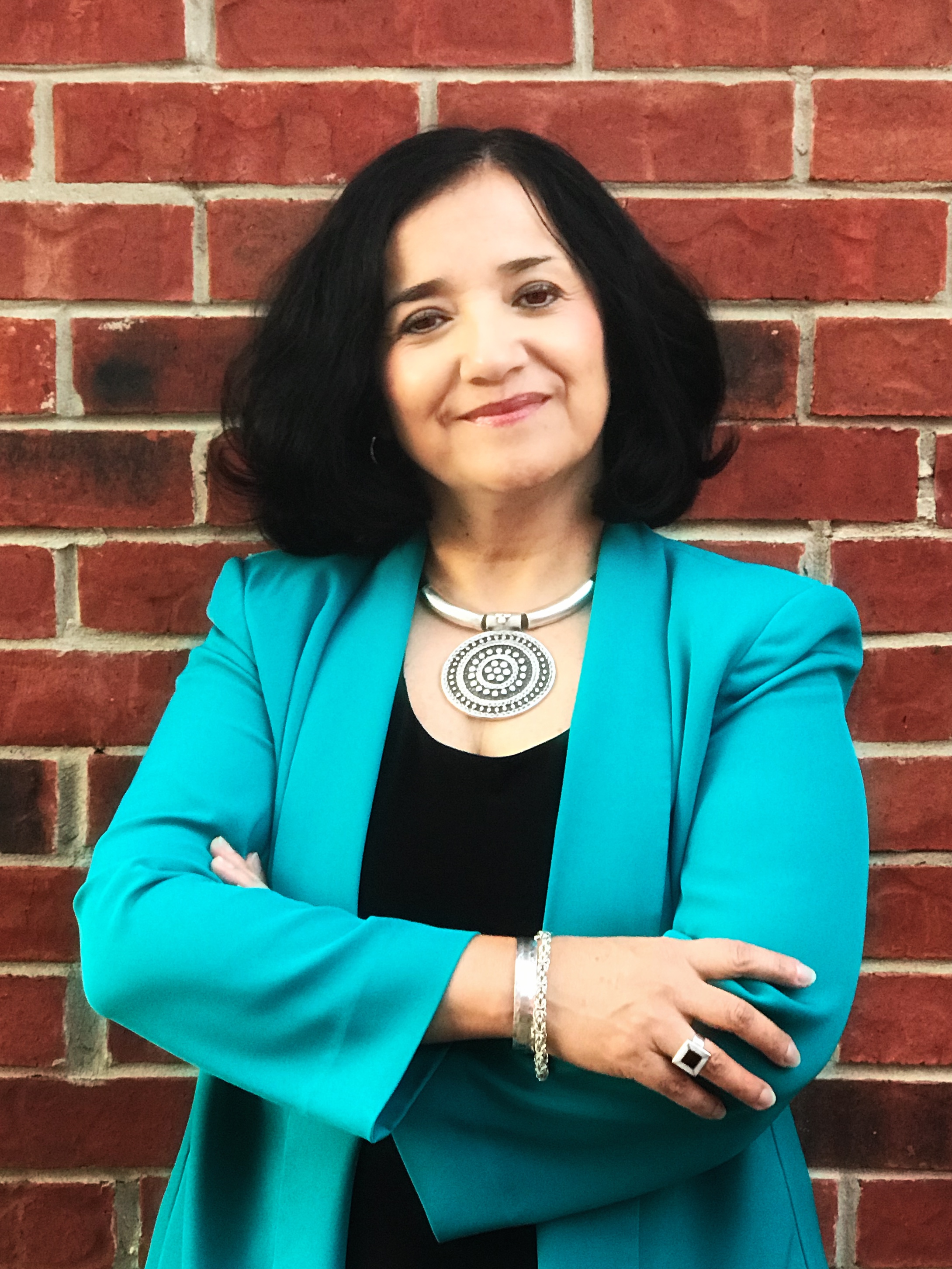
Leaders Must Exercise Courage to Lead Inclusively, Guest Blog by Cecilia Orellana-Rojas, Ph.D.


Today more than ever, we need business leaders who assert their commitment to diversity and inclusion in the workplace and the community.

Researchers at Harvard Business School and Duke’s Fuqua School of Business have documented an emerging trend of CEO activism. This activism is propelled by the nation’s increasing political polarization and the expectations of millennial employees, who want their leaders to lead successfully in business while promoting company values externally. Millennials yearn for authenticity and refuse to check their values at the doors of their organization. When company values such as diversity and equality are transgressed in the larger society, they expect their leaders to step up and uphold these values in the community.

Courage as a Trait of Inclusive Leaders

What are the traits inclusive leaders must have to lead successfully in today’s environment? Deloitte Australia undertook a study to identify six signature traits of inclusive leaders. Drawing from the experience of best-in-class leaders in diverse sectors across the world and subject-matter experts, the study identified courage as one of these signature traits. A highly inclusive leader is committed to lead with courage by speaking up and challenging the status quo while recognizing his or her personal limitations.

As a leadership trait, I find courage serves as an anchor to ground leaders in going beyond the old conventional wisdom of staying neutral on social or political issues. Today, we are experiencing moments that challenge leaders at all levels. Moments where courage is a most important trait, from my perspective, as we must speak up and challenge conditions that endanger inclusion in our workplaces and communities.

In the Star Wars movie “The Force Awakens,” General Leia Organa courageously leads a diverse team to defeat the evil Kylo Ren (see my blog on Leadership Lessons from Star Wars)

Leading with Courage

Amidst events that have shocked and impacted the nation, we see clear examples of courageous leadership across industries. In 2017, Gregory L. Fenves, president of the University of Texas at Austin, made a public statement regarding his decision to remove and relocate confederate statues after the events in Charlottesville. “The University of Texas at Austin has a duty to preserve and study history,” he said. “But our duty also compels us to acknowledge that those parts of our history that run counter to the university’s core values, the values of our state and the enduring values of our nation do not belong on pedestals in the heart of the Forty Acres.”

The same year, after the president’s decision to end DACA, more than 400 business leaders signed an open letter urging the president and Congress to protect Dreamers. Among them were the CEOs of Facebook, Microsoft, Google, Best Buy, Wells Fargo and JPMorgan Chase. As Tim Cook, CEO at Apple tweeted, “250 of my Apple coworkers are #Dreamers. I stand with them. They deserve our respect as equals and a solution rooted in American values.” (Note from Stan – I featured Tim Cook in my blog about significant business impact of Tim Cook coming out as a gay man.)

CEOs are now wading into controversial issues. In 2016, PayPal’s CEO Dan Schulman took a stand against North Carolina’s so-called bathroom bill by pulling the company’s plans for a global operations center that would have employed 400 in Charlotte. In an interview with the Charlotte Observer, Schulman said that “with the passage of the bill, it really goes against the values of our company and we just couldn’t proceed forward.” Other companies with operations in Charlotte also expressed opposition to the bill including Bank of America and American Airlines.

Most recently, twelve CEOs of major companies spoke out against the Trump administration’s zero-tolerance border policy, which has resulted in the separation of thousands of immigrant children from their parents. Money reported that CEOs from Google, Uber, Airbnb, Facebook, Chobani, and Cisco condemned the policy as “heartless, cruel, and immoral.”

In all these instances of courageous leadership, there is one common thread that supports the leader’s action – alignment with core values of the organization and our nation. We see leaders as the linchpin for inclusion at all levels, including the larger society. With courage, business leaders today are taking personal risk to raise their voice involving social issues that affect us all and providing a venue to resolve these issues.

* * * * * *

Cecilia Orellana-Rojas, Ph.D., is vice president of strategy and research for the National Diversity Council. She coordinates the NDC’s DiversityFIRST certification program, of which I am a faculty member. I enjoy working with Cecilia and her deep understanding of the importance of diversity and inclusion in the business and educational world, as well as the intersection of inclusion and leadership.