
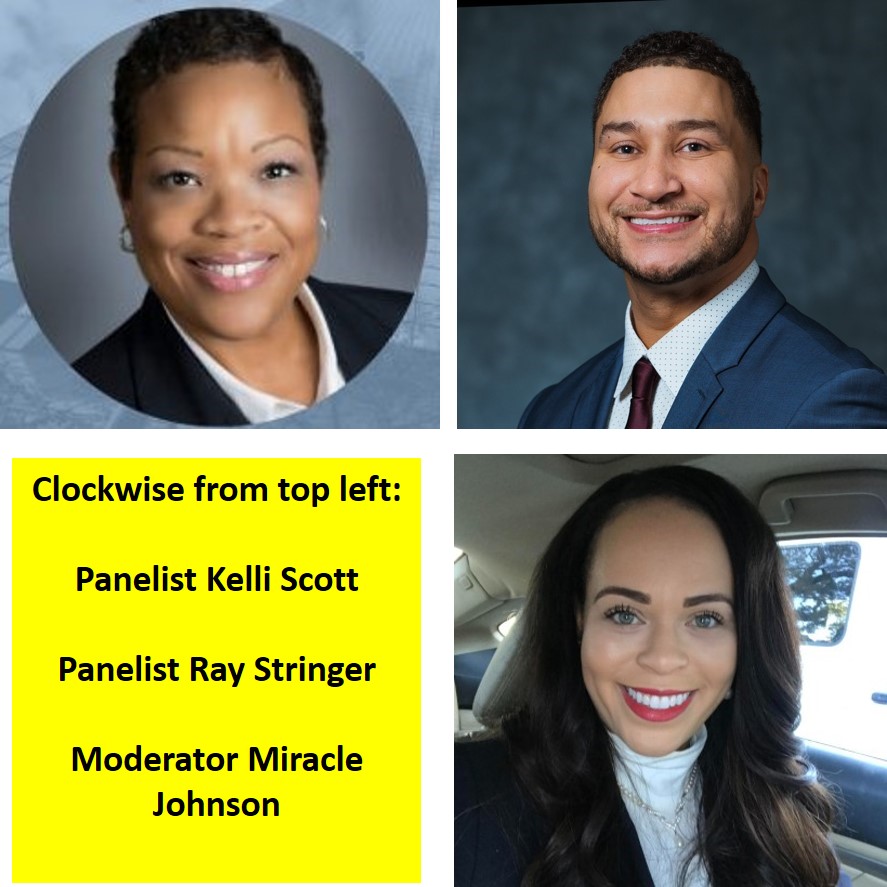
 On October 19, I participated in a “Diversity Officers Roundtable” as part of the two day virtual panel discussion as part of the Energy Diversity and Inclusion Council’s Energy Industry DEI Summit. Miracle Johnson did a superb job of moderating the panel that included myself and two outstanding Chief Diversity Officers, Kelli J. Scott of First Energy and Ray Stringer of Constellation Energy.
We kicked off the panel discussing the huge increase we have seen in company DEI efforts and the demand for having a Chief Diversity Officer (CDO.) Between the three of us on the panel, we came up with ten key skills or competencies we felt were need to be a successful CDO:
1) Understanding the business you are serving in. It is crucial to connect DEI to the overall business strategy and to understand the diversity dynamics of the industry in which you are working.
2) Consultative skills to be able to work with senior leaders across every function to actualize the impact of DEI on the overall business strategy and their own functional areas.
3) Having grit and courage. (See my recent blog about courage.) DEI work is not easy; there are many challenges and hard topics to address.
4) Perseverance, which goes along with grit. DEI work is a long never-ending journey; it is a marathon, not a sprint.
5) Operational savvy. In addition to driving DEI strategy, you need to be able to manage execution and operationalize DEI. This also includes being focused on the outcomes you are working to achieve.
6) Empathy. There are a wide range of issues in the world, in the country and in the workplace that have real impact on different diverse people and constituencies. It is important to understand how:
• working at home and managing kids may impact working women
• how the frequent murders of young black men impact black employees
• how the explosion of various state anti-LGTBQ+ laws impact your LGBTQ+ employees.
7) The ability to work with a wide range of increasingly diverse employee populations; e.g. cultural intelligence. Working effectively with a wide range of people is what diversity is all about!

I am one of the facilitators for NDC’s certification program, one way of building key CDO knowledge and skills
8) Enrollment. Being able to get people at all levels, from the individual contributors to managers to executives engaged and bought into DEI efforts.
9) Being open minded, creative and innovative.
10) Investing in the needed education and skills building for a career in a fast-changing field. This can include college curriculum, conferences, and certification programs like the National Diversity Council’s DiversityFIRST™ Certification Program.
If you aspire to be a DEI leader in the workplace, or a CDO, perhaps evaluate yourself across these ten skills and consider enrolling in the NDC’s DiversityFIRST™ Certification Program.

